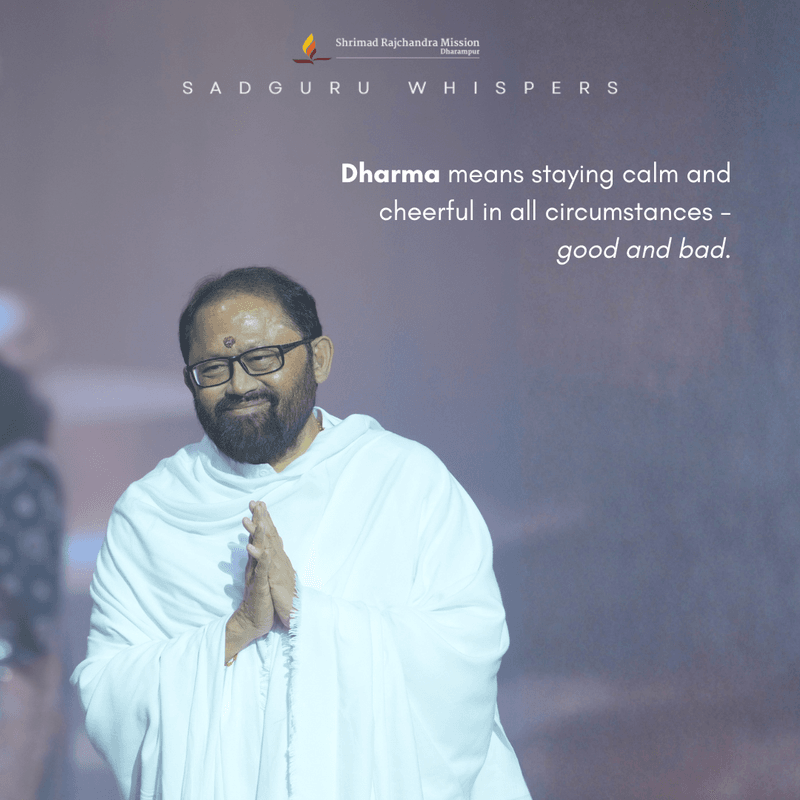
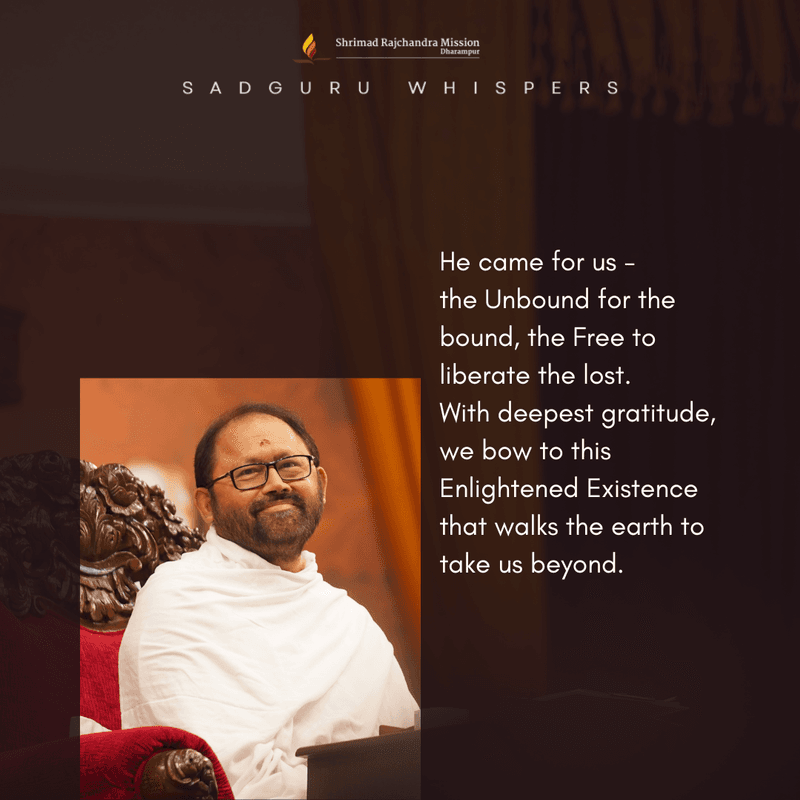
Mental unrest, poor focus, and inner confusion are often seen as problems of modern life. In his discourses, Pujya Gurudevshri Rakeshji explains that while life has changed, the mind has not. What has increased is the constant use of attention.
The mind is always engaged. This creates fatigue and confusion. Through his guidance, mental health is approached through understanding, not force. He does not ask people to control their minds. He asks them to observe it.
According to him, focus is not something to be built. Clarity already exists. It becomes visible when mental disturbance settles.
Why Does the Mind Struggle With Focus and Clarity?
Pujya Gurudevshri Rakeshji explains that the mind becomes restless due to inner activity, not outer pressure. Thoughts increase when emotions are ignored. Attention keeps moving between past memories and future worries.
He often warns against forcing concentration. Force creates tension. The mind resists pressure. It responds to awareness instead.
When observation replaces resistance, the mind naturally becomes clear.
How Does Meditation Support Mental Clarity?
Pujya Gurudevshri Rakeshji’s explanations of meditation move away from effort-based techniques. His guidance, especially helpful for meditation for beginners, emphasises relaxed alertness rather than suppression of thought.
In many guided talks and recorded discourses, meditation is described as:
- Sitting with whatever arises
- Observing thoughts without involvement
- Remaining present without expectation
This understanding forms the basis of several meditation courses, where emphasis is placed on witnessing rather than achievement. Similar approaches are reflected across various meditation centres in India, where awareness is prioritised over technique.
Can Emotional Awareness Improve Focus?
A key theme in Pujya Gurudevshri Rakeshji’s teachings is the link between emotions and attention. Unseen emotions often appear as restlessness or distraction.
He does not encourage intellectual analysis of emotions. He suggests gentle observation instead. When emotions are allowed to move through awareness, the mind feels lighter.
This insight is explored deeply during meditation retreats. Silence and self-observation help bring emotional clarity and mental steadiness.
Essential Mental Health Tips for Daily Life
Pujya Gurudevshri Rakeshji frequently reminds seekers that mental wellbeing is sustained through simplicity and consistency rather than complexity.
- Maintain a consistent daily routine
- Practice mindfulness or meditation
- Stay physically active
- Reduce digital overload
These fundamentals are often reflected upon during satsangs held at a satsang ashram, where daily living itself becomes a space for inner observation.
Mental Stability Tips for Emotional Balance
How Can Emotional Stability Support Mental Focus?
Mental stability, according to Pujya Gurudevshri Rakeshji, does not come from avoiding emotions but from understanding their transient nature.
- Identify emotional triggers
- Practice deep breathing techniques
- Avoid overthinking patterns
- Develop problem-solving thinking
- Set healthy personal boundaries
- Take mental breaks during stress
Such guidance is often explored in contemplative settings such as an ashram in Gujarat, where the environment naturally supports inward attention.
Tips for Mental Wellness in Daily Routine
Mental wellness, as described in Pujya Gurudevshri Rakeshji’s teachings, is woven into everyday life rather than separated from it.
- Morning routine for a calm mindset
- Journaling thoughts regularly
- Practising gratitude daily
- Spending time in nature
- Engaging in hobbies
- Limiting negative content consumption
These themes are commonly discussed during Indian spiritual retreats, where participants are encouraged to observe how daily habits influence inner states.
Healthy Mental Health Tips for Long-Term Wellbeing
In many discourses, Pujya Gurudevshri Rakeshji speaks of long-term wellbeing as a journey of gentleness and patience with oneself.
- Self-care without guilt
- Seeking support when needed
- Maintaining work-life balance
- Reducing self-criticism
- Accepting imperfections
- Focusing on progress, not perfection
This understanding also informs the structure of many yoga meditation retreat formats and is echoed across the best yoga and meditation retreats in India, where balance is valued over performance.
Understanding the Broader Spiritual Context
Pujya Gurudevshri Rakeshji’s teachings are deeply rooted in Indian spirituality. His guidance reflects timeless wisdom that places awareness at the centre of inner change.
As a spiritual guru in India, and among the widely respected gurus of India, his approach does not rely on belief systems. It focuses on self-observation. This simplicity makes his message easy to relate to and apply.
His teachings strongly connect with seekers exploring spirituality for the youth. Many young people engage with his ideas through clear and accessible YouTube discourses.
His work also reflects the values of a spiritual organisation in India. Inner growth is treated as a lived experience, not just a concept. Spiritual understanding is encouraged through direct awareness in daily life.
Key Takeaway
Clarity of mind does not emerge through control or force. Through awareness, emotional understanding, and gentle observation, the mind naturally settles. Pujya Gurudevshri Rakeshji’s mental health guidance invites a return to simplicity, where focus becomes effortless, and clarity reveals itself without struggle.
Frequently Asked Questions
1. What are the five ways to improve mental health?
Awareness, emotional regulation, routine, rest, and supportive relationships.
2. What is the 3-3-3 rule in mental health?
It is a grounding technique involving sight, sound, and movement to return attention to the present.
3. What are 10 ways to improve mental health?
Meditation, routine, physical activity, gratitude, emotional awareness, boundaries, rest, reflection, connection, and acceptance.
4. What are the 5 golden rules of mental health?
Awareness, balance, patience, self-compassion, and consistency.