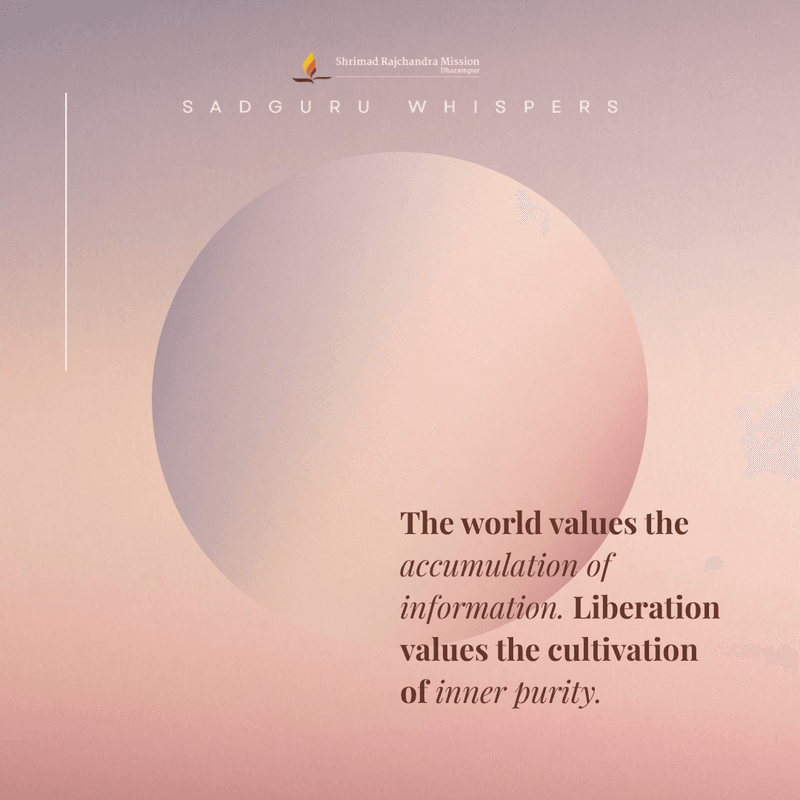
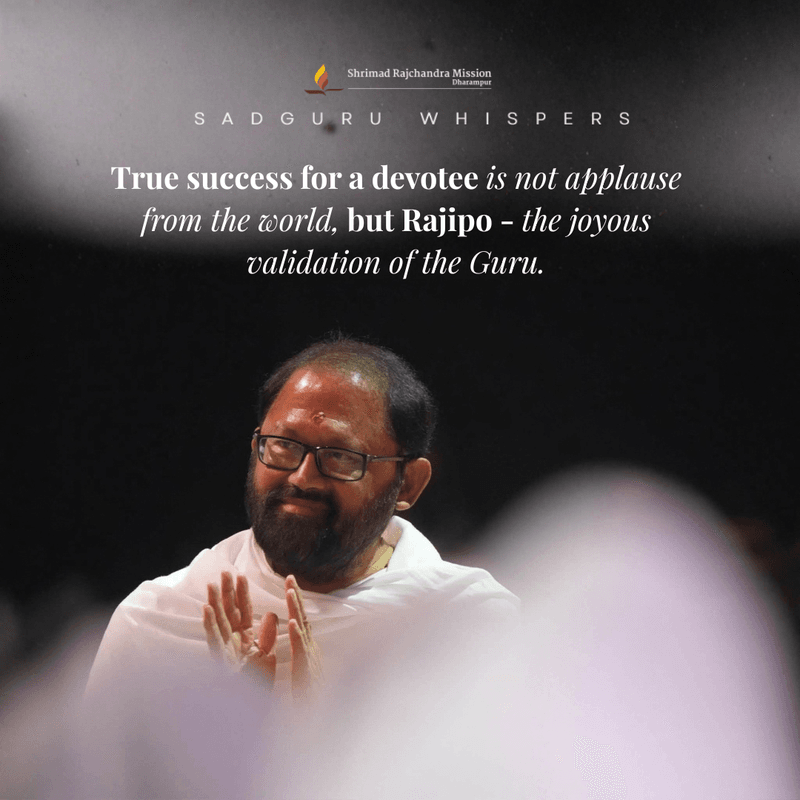
We spend much of our lives moving outward. Our attention follows people, possessions, situations and experiences, constantly seeking something that will make us happier, more fulfilled, more complete. Paryushan Parv arrives as a gentle reminder to pause this outward movement and turn within.
But what is the deeper Paryushan meaning? Jain Paryushan is a sacred period dedicated to introspection, self-restraint, forgiveness and spiritual purification. The Paryushan festival creates an opportunity to step back from the rush of everyday life and direct our attention towards the Self.
Paryushan Parva is not merely a time for observing rituals, undertaking austerities or reducing worldly activities. It is an opportunity to rediscover our true direction. As Pujya Gurudevshri Rakeshji explains, the essence of dharma lies in transformation. It is not confined to what we do through the body or think through the mind; it is an experience that gradually transforms our entire being.
This also helps us understand why Paryushan is celebrated. Its purpose is not simply to observe certain practices for a prescribed number of days, but to create the inner conditions for awareness, reflection and transformation. Through introspection, forgiveness, restraint, Ahimsa and Pratikraman, we are invited to shift our attention from the world to the Self.
The Paryushan rules and spiritual practices may guide us during these days, but their essence can continue to enrich our lives long after Paryushan ends. Here are five ways to allow its spirit to continue within us, every day.
1. Pause Before You Proceed: Cultivate Daily Awareness
How often do we act before we become aware of what is happening within?
A thought arises, an emotion follows, and an action happens almost instantly. We become angry, speak harshly, judge another or give in to an impulse, only to regret it later.
Paryushan teaches us to interrupt this unconscious movement.
Before we proceed, we can pause and observe. What is arising within me? Is this response coming from awareness or from anger, attachment, pride or fear?
This pause may seem small, but it creates a precious distance between the experience and the experiencer. Gradually, we begin to witness our thoughts and emotions rather than becoming one with them. In that awareness lies the beginning of the inward journey.
2. Choose Forgiveness Every Day: Live Kshama
Paryushan is widely known as a festival of forgiveness, culminating in Samvatsari, when one seeks forgiveness for one’s faults and extends forgiveness to all. But forgiveness is not meant to remain an annual expression. It is a quality that can purify the heart every day.When we hold on to hurt, we keep ourselves bound to the past. Kshama gives us the courage to let go.
Forgiveness does not mean approving of what happened or ignoring one’s pain. It means refusing to allow resentment to continue occupying the heart. It also means having the humility to recognise our own faults and sincerely seek forgiveness where we have caused hurt.
Before the day ends, ask yourself: Whom have I hurt through my thoughts, words or actions? Whom am I still holding a grudge against?
To forgive and to seek forgiveness is to lighten the heart and make space for inner peace.
3. Practise Conscious Restraint: Embrace Saiyam and Tapa
One of the significant practices associated with Paryushan is Paryushan Upvas. Fasting and other forms of Tapa (or austerities) are undertaken as spiritual disciplines, with the deeper aim of cultivating restraint and turning one’s attention inward. The Paryushan fasting rules may vary according to individual capacity, guidance and tradition, but the essence of Tapa lies beyond physical endurance.
The deeper purpose is not simply to endure hunger. Austerity becomes meaningful when it helps purify the mind, reduce dependence on impulses and strengthen awareness.
This understanding of restraint can extend into every aspect of life.
Can we restrain from using a word that may cause hurt? A reaction that may disturb? A desire that need not be fulfilled? The constant urge to reach for our phones, defend ourselves or have the last word?
Saiyam is not deprivation; it is freedom from compulsion. It is the ability to choose rather than be driven by every impulse.
When practised consciously, even a small act of restraint becomes an opportunity to discover that happiness does not have to depend upon fulfilling every desire.
4. Live Ahimsa in Thought, Word and Action: Let Compassion Begin Within
Ahimsa is often understood as non-violence, but its deeper practice asks us to become sensitive to the impact of our thoughts, words and actions.
Paryushan encourages us to cultivate such sensitivity towards all living beings. The essence is not merely a list of dos and don’ts, but the awakening of sensitivity and the softening of the heart.
A harsh thought may never be spoken, yet it disturbs our own inner state. A sharp word may take only a moment to utter, yet leave a lasting wound.
So, before we speak, can we pause? Before we judge, can we understand? Before we respond to hurt with hurt, can we choose compassion?
When Ahimsa begins within, it naturally finds expression in our relationship with every living being.
5. Return to Yourself Every Night: Practise Pratikraman
Every morning, we step into the world. By night, our consciousness may have travelled far from its true abode.
Pratikraman is the invitation to return.
In Pratikraman, Jainism emphasises revisiting the past, reflecting upon one’s actions, recognition of one’s faults, finding the root cause of the negative emotions, repentance and the resolve to move towards greater awareness. It is an inward practice through which we review our conduct, and seek to correct the ways in which we may have strayed.
Pratikraman is far more than a ritual of recalling mistakes. It becomes an inner audit: Where did I lose awareness today? Where did anger arise? Where did ego take over? Did I pass judgements on any person? Where did I cause hurt? Can I recognise the fault, repent sincerely and resolve not to repeat it?
Such honest introspection allows each day to become a lesson in spiritual growth. Reviewing our responses at night can become a guide for the next day, helping us gradually replace unconscious reactions with greater awareness.
Let Paryushan Become a Way of Living
Paryushan comes each year to remind us of something we easily forget: the direction we seek outside is ultimately found within.
The fasting may end. The rituals may conclude. The days of heightened spiritual observance may pass. But the inward journey has no reason to stop.
Let the pause remain when anger arises.
Let forgiveness remain when the heart feels hurt.
Let restraint remain when desire pulls us outward.
Let Ahimsa remain in every thought, word and action.
And each night, let Pratikraman bring us home.
The true celebration of Paryushan begins when its wisdom ceases to be confined to a festival and starts becoming a way of being.
For when awareness turns inward, we do not merely change our actions, we begin to discover who we truly are. And perhaps that is the deepest invitation of Paryushan: not to become someone new, but to return to the Self we have always been.
FAQs
1. What is the meaning of Paryushan?
Paryushan is a sacred Jain period dedicated to introspection, self-restraint, forgiveness and spiritual purification. It encourages turning inward and deepening awareness of the Self.
2. Why is Paryushan celebrated?
Paryushan is celebrated as a time for spiritual reflection, repentance, forgiveness and self-discipline.
3. What is Paryushan Upvas?
Paryushan Upvas refers to fasting undertaken during Paryushan as a form of Tapa and self-restraint. Its deeper purpose is to cultivate awareness, discipline and detachment from bodily and worldly impulses.
4. What is Pratikraman in Jainism?
Pratikraman is a Jain spiritual practice of revisiting the past, finding the root cause of the negative emotions that we may have harboured, clearing our minds of the bitterness and complaints that may have arisen in us, and introspecting on the transient nature of happiness we may be deriving from material objects. The fruit of Pratikraman is learning from the past, understanding how to live now onwards and maintaining a heightened awareness in daily activities.
5. How can Paryushan practices be followed every day?
The essence of Paryushan can be carried into daily life through awareness, forgiveness, conscious restraint, Ahimsa and regular self-reflection or Pratikraman.