In a world that constantly pulls the mind outward, the search for inner stillness becomes a sacred longing. It is not merely the absence of noise, but the presence of deep awareness, a quiet return to one’s true nature. For a sincere seeker, spaces charged with purity and devotion become gateways to this experience. One such divine abode is the Shri Mahavir Praasad Jinmandir, a revered Jain temple in Gujarat, where silence is deeply experienced and gently nurtured.
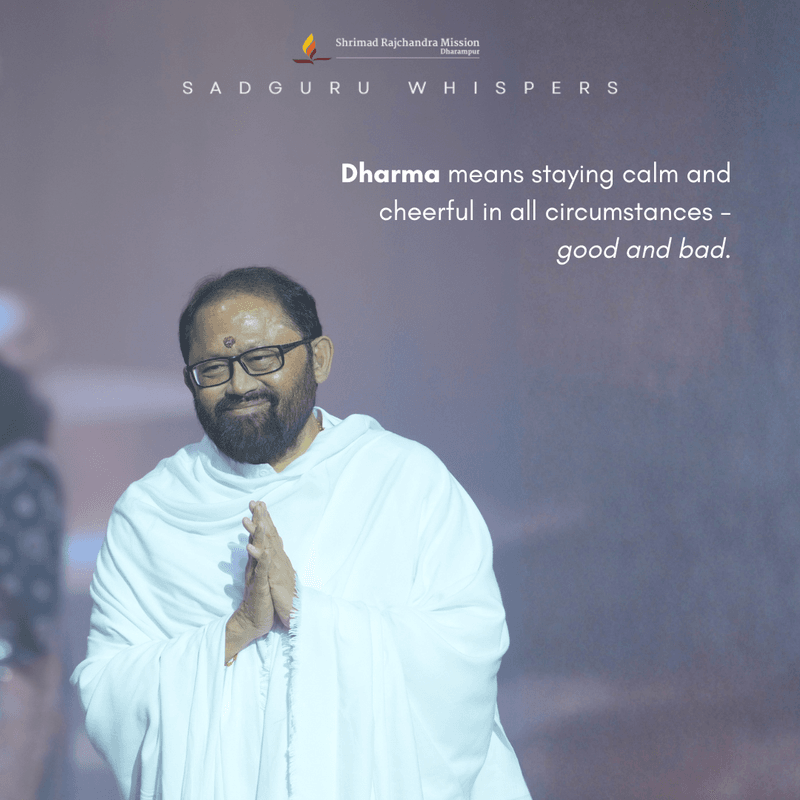
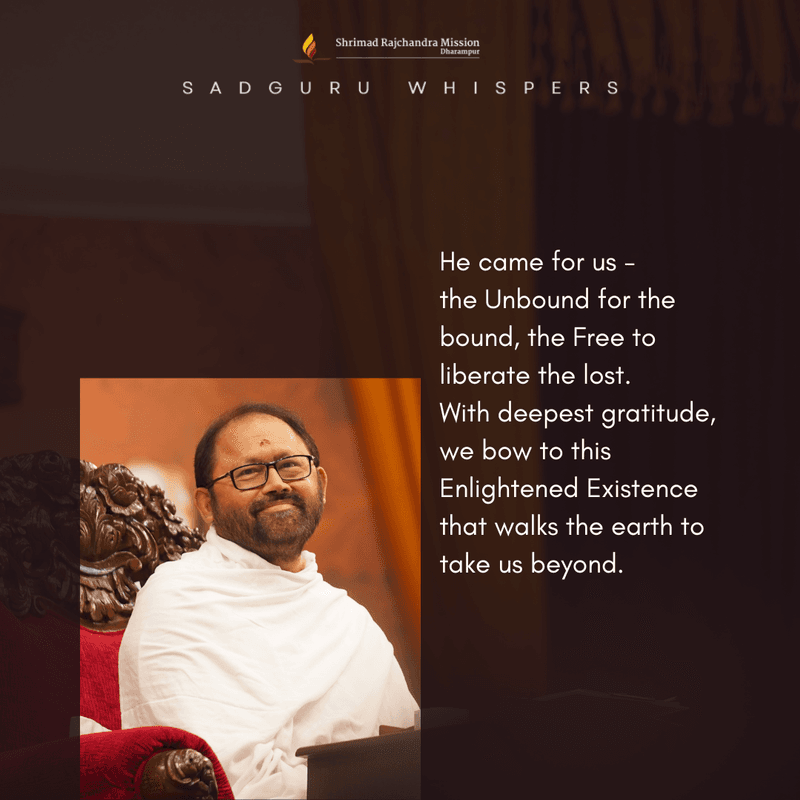
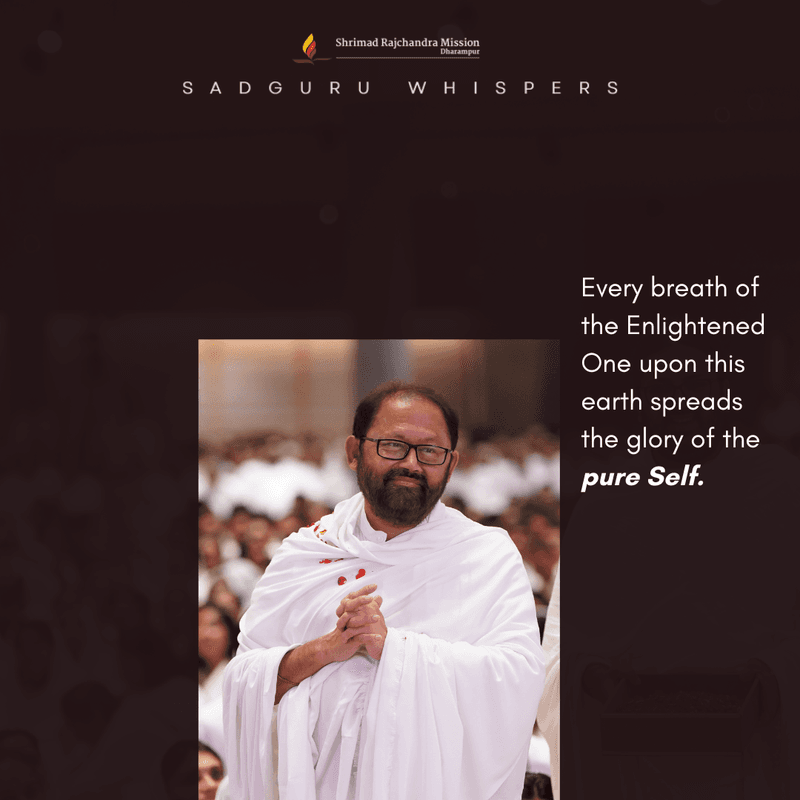
Perched atop the highest peak of Shri Dharampur Tirth, this magnificent Dharampur Jain Derasar stands as a testimony to timeless spiritual wisdom. Guided by Pujya Gurudevshri Rakeshji, every element of the temple reflects a profound spiritual vision. Each carving, each pillar, and each sacred space has been designed to support the seeker’s inward journey.
As Pujya Gurudevshri Rakeshji shares, a temple is the epicentre of spirituality, a space that energises and uplifts. The Jinmandir embodies this essence with quiet grace. Its divine vibrations create an atmosphere where the restless mind begins to settle, and the heart opens to peace.
Entering a Field of Stillness
The journey toward inner stillness begins as one approaches the temple. The grandeur of the 108 pillars, the intricately carved domes, and the purity of Makrana marble evoke a sense of reverence. Beyond this visual beauty lies a deeper experience. There is a subtle stillness that can be felt in the very air.
As one steps inside, the outer world gradually fades from awareness. The absence of distractions, supported by mindful practices such as restricting the use of devices, gently draws attention inward. Silence arises naturally in this sacred environment.
Here, stillness is not imposed. It unfolds.
The Power of Darshan
At the heart of the Jinmandir lies the garbhagruh, a sanctum radiating profound divinity. The serene presence of Bhagwan Mahavir, along with other Tirthankars, creates a deeply charged spiritual field.
To sit before the pratimaji is to experience a silence that speaks without words. Their stillness reflects the highest state of consciousness. In their presence, the mind begins to slow down, and thoughts lose their intensity. A quiet awareness begins to emerge.
Darshan becomes an inward experience, where the seeker connects with the purity within.
Aligning with Sacred Rhythms
The daily rituals of the temple offer a gentle structure for inner alignment. The early morning Pakshal, the devotional Puja, and the evening Arti each carry a distinct spiritual energy.
Participation in these practices, with awareness and devotion, deepens the connection to inner stillness. The rhythmic chants, the fragrance of devotion, and the collective presence of seekers create an atmosphere that supports going inwards.
Through these sacred rhythms, the mind finds a natural state of calm.
From Sound to Silence
Spiritual discourses, or Pravachans, offered under the guidance of Pujya Gurudevshri Rakeshji, take place at Raj Sabhagruh, located near the Jinmandir. Through simple and profound insights, seekers are guided toward self-reflection and clarity.
These teachings gently dissolve inner confusion and bring a sense of direction. As understanding deepens, the mind becomes quieter and more stable. This clarity supports a state of sustained inner stillness.
True stillness arises from freedom within the mind.
The Language of Architecture
Every aspect of the Jinmandir carries spiritual significance. The 108 intricately carved pillars represent diverse spiritual journeys, all converging toward the same truth. The domes rise gracefully, guiding awareness upward.
The temple has been constructed in harmony with ancient principles of Jain scriptures, shilp shastra and vastu shastra. The use of copper in the foundation maintains alignment with the Earth’s magnetic field, creating a balanced and harmonious energy.
The expansive design accommodates thousands, yet preserves an intimate silence. Even the intricate flooring, composed of countless inlaid pieces, reflects unity within diversity.
In this sacred space, architecture becomes a medium for contemplation.
The Role of Reverence and Discipline
Inner stillness is supported by sensitivity and awareness. The cultural practices upheld within the Jinmandir, such as maintaining silence and mindful conduct, create an environment that nurtures introspection.
These practices guide the seeker toward greater presence. Walking gently, sitting quietly, and engaging with reverence allow the mind to align with the stillness of the surroundings.
In such an atmosphere, a deep sense of emotional well-being naturally arises.
Ascent Within
Beneath the Jinmandir lies the Gurumandir, a meditative sanctuary dedicated to Shrimad Rajchandraji. As one enters this tranquil space, the journey becomes even more inward.
The serene idol of Shrimadji, seated in a state of deep composure, radiates peace and purity. His presence draws the seeker into silence beyond thought.
In this sacred space, stillness becomes a lived experience.
A Living Experience
The Jinmandir offers a living spiritual experience. Each visit brings a deeper connection, shaped by the seeker’s own openness and awareness.
Moments spent in silence here reveal that stillness is not confined to a place. It exists within. The temple serves as a reminder, guiding the seeker back to their inner essence.
Returning to the Self
Finding inner stillness at the Jinmandir is a journey of returning. Returning from restlessness to peace, from distraction to awareness, from outward seeking In the divine presence of Bhagwan Mahavir and Shrimad Rajchandraji, and the compassionate guidance of Pujya Gurudevshri Rakeshji, the seeker reconnects with their true nature. A nature that is inherently peaceful, pure, and complete.
to inner understanding.
In that recognition, stillness is rediscovered.